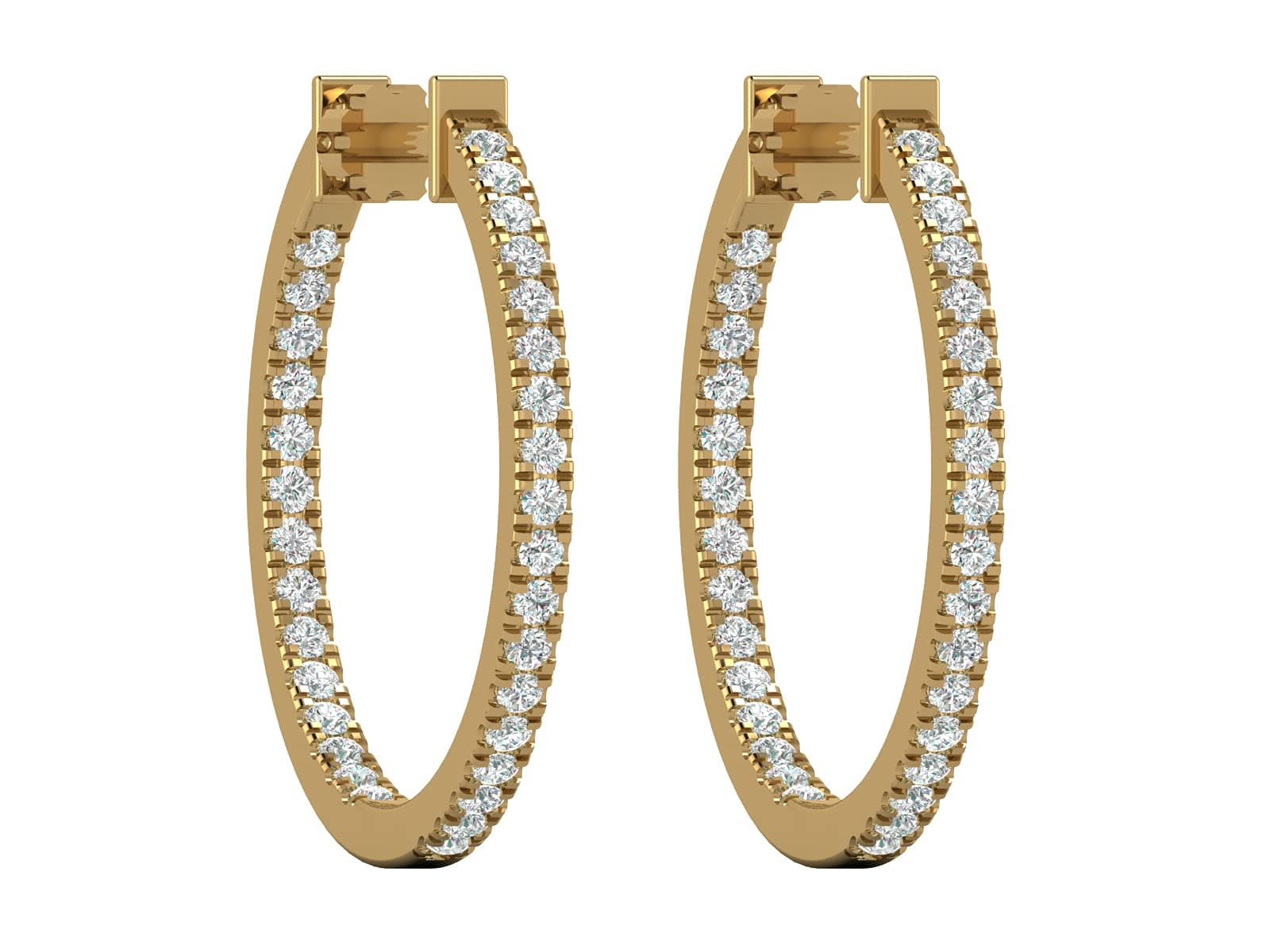
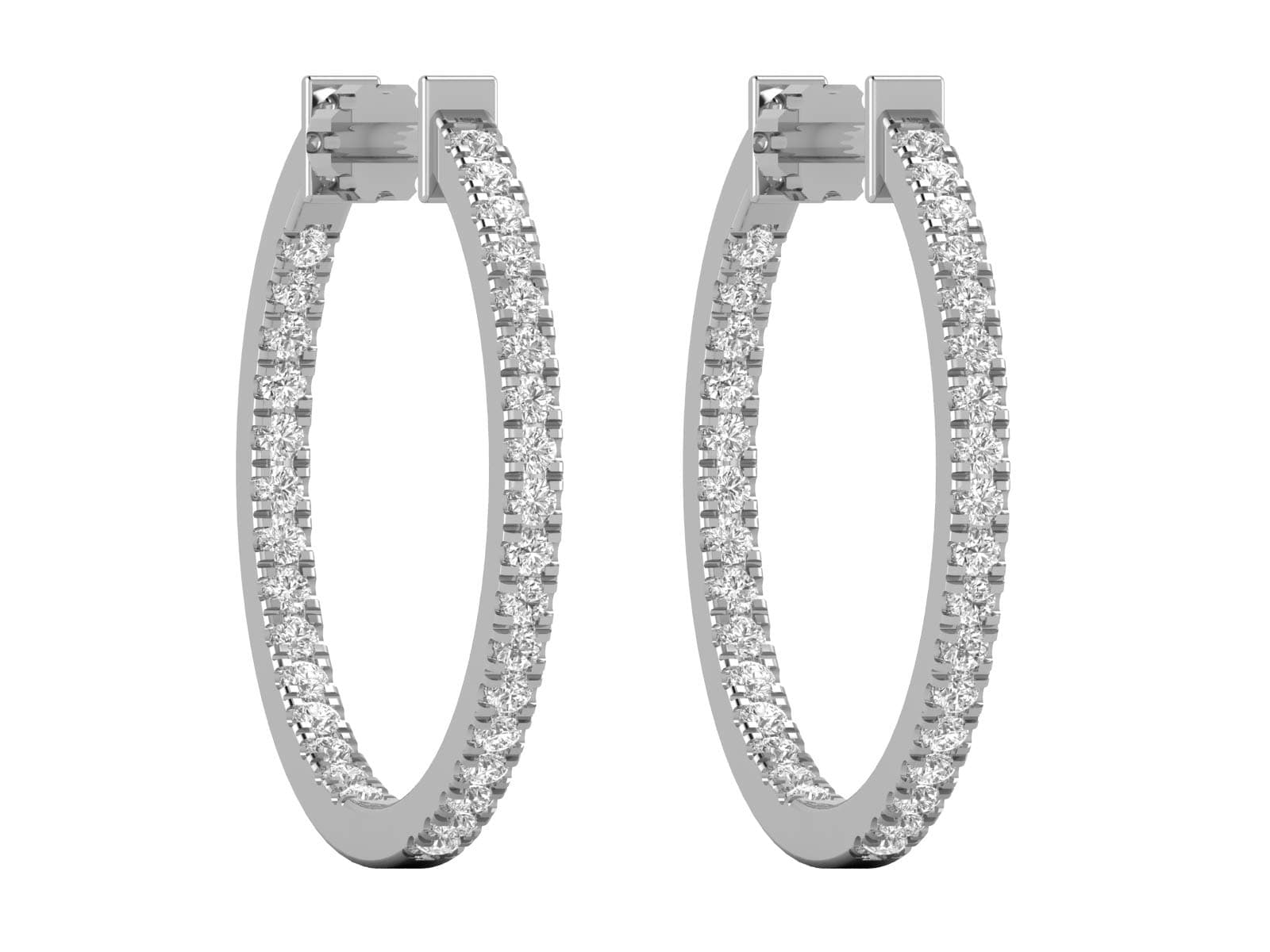
When we say solid 14k gold vs plated, we are describing two very different objects that can look identical in a photograph. Solid 14k gold is gold all the way through. Plated metal is base metal wearing a microscopic coat of gold that will, in time, wear away. Every piece Privosa makes is solid 14k gold, hallmarked, in white, yellow, or rose. This guide explains what that means, why it matters, and how to care for it.
Solid 14k gold vs plated: the distinction that matters
The three terms you will see most often are solid gold, gold-filled, and gold-plated. They sit on a spectrum of how much actual gold is present, and that single fact governs value, longevity, and how a piece behaves against your skin.
- Solid gold: the entire piece is a gold alloy. There is no base metal underneath to be exposed. This is what Privosa uses, without exception.
- Gold-filled: a thick layer of gold is mechanically bonded to a brass core, by weight at least one-twentieth gold. More durable than plating, but still a coating over base metal, and not the same as solid.
- Gold-plated: a very thin layer of gold is electroplated onto a base metal. The layer is measured in microns and wears through with regular use.
The reason solid gold vs gold filled, and gold plated vs solid gold, comes up so often is that all three can be stamped or marketed in ways that blur the line. The honest test is simple: is there base metal hiding under the surface? With solid gold, there is not.
Plating is a finish. Solid gold is the material itself.
What 14k karatage actually means
Karat measures purity, on a scale of 24. Pure gold is 24k. It is also soft enough to bend with your fingers, which makes it impractical for jewelry meant to be worn daily. The number before the k tells you how much of the alloy is gold and how much is other metals added for strength and color.
Karatage at a glance
- 24k
- 99.9% gold — very soft, rarely used for everyday jewelry
- 18k
- 75% gold — richer color, softer, often higher price
- 14k
- 58.3% gold — the durability-to-purity sweet spot for daily wear
- 10k
- 41.7% gold — harder and paler, the legal minimum to be called gold in the US
So is 14k gold good for jewelry? For pieces you intend to live in — studs you sleep in, a pendant you never take off, hoops worn daily — 14k is the considered choice. It holds detail and setting security under real wear, resists scratching better than higher karats, and keeps enough gold content to remain genuinely precious and gentle against most skin. That balance is why it is the house standard at Privosa.
White, yellow, and rose — and the truth about rhodium
All three Privosa golds are solid 14k. The color comes from what is alloyed with the gold, not from a surface treatment.
- Yellow gold: gold with copper and silver, the closest to gold's natural warmth.
- Rose gold: a higher proportion of copper gives the pink tone; it is naturally durable and needs no plating.
- White gold: gold alloyed with white metals such as palladium. It is solid white gold throughout, then usually finished with a thin rhodium plating for a brighter, cooler white.
One honest note on white gold. The rhodium finish is a plating over solid white gold — not plating over base metal. Underneath is still genuine solid 14k. Over years of wear the rhodium can gently soften and the warmer natural tone of the white-gold alloy may show through. A jeweler can re-rhodium-plate a piece to restore the bright white. This is routine maintenance on fine white gold, not a flaw, and our concierge can walk you through it.
Will 14k gold tarnish, and how to care for it
Will 14k gold tarnish? Solid gold itself does not rust or tarnish the way silver does. Because 14k is an alloy, the non-gold metals in it can, over a long time and with exposure to harsh chemicals, dull the surface slightly. This is cosmetic and easily reversed. Plated pieces, by contrast, do not dull — they wear through to the base metal beneath, which is not recoverable. That difference is the practical heart of the solid-versus-plated question.
- 01Remove pieces before swimming, hot tubs, and household cleaning — chlorine and bleach are the real enemies of gold alloys.
- 02Apply perfume, lotion, and hairspray first, then put your jewelry on.
- 03Clean gently with warm water, a drop of mild dish soap, and a soft brush; dry with a lint-free cloth.
- 04Store pieces separately so harder stones cannot scratch softer metal.
- 05For white gold, expect occasional re-rhodium plating to refresh the bright finish.
The case for solid gold is quiet but decisive. It does not wear away, it can be cleaned and restored for a lifetime, and it holds real, recoverable value. Plated and filled jewelry have their place, but they are finishes on borrowed time. When you choose a Privosa piece you are choosing the material itself — and a concierge who can answer any question about how to keep it well.
Frequently asked
Is solid 14k gold better than gold-plated?+
For jewelry meant to be worn often, yes. Solid 14k gold is gold throughout, so it never wears down to a base metal and can be cleaned and restored for a lifetime. Gold-plated pieces carry only a microscopic gold layer over base metal, which wears through with regular use and cannot be recovered. Every Privosa piece is solid 14k, never plated or filled.
Will 14k gold tarnish or turn my skin green?+
Solid gold does not rust or tarnish the way silver does. Because 14k is an alloy, the surface can dull slightly over long exposure to harsh chemicals, but this is cosmetic and cleans away easily. Skin discoloration is typically a sign of plated or low-quality metals exposing their base, rather than of solid 14k gold, which sits gently against most skin.
Why is white gold sometimes described as plated?+
Privosa white gold is solid 14k white gold throughout, alloyed with white metals. It is then finished with a thin rhodium plating for a brighter, cooler white. That rhodium sits over solid gold, not over base metal. Over years it can soften, and a jeweler can re-plate it to restore the bright finish. Our concierge can arrange this.
Is 14k gold good for everyday jewelry?+
It is the considered choice for daily wear. At 58.3% gold, 14k balances purity with durability: it resists scratching and holds settings securely better than softer higher-karat golds, while remaining genuinely precious. That is why it is the standard for our studs, hoops, and pendants meant to be worn and rarely removed.
What is the difference between solid gold and gold-filled?+
Gold-filled jewelry has a thick gold layer mechanically bonded to a brass core, and is more durable than plating, but it is still a coating over base metal. Solid gold has no base metal underneath at all. Privosa uses only solid 14k gold, so there is nothing beneath the surface to eventually wear through.